 By
By 25 Dead Space Storage Ideas to Maximize Every Inch of Your Home
“Proud Homemaker is part of several affiliate marketing programs, so we may earn commissions on products selected and purchased through our retailer links.”
Have you ever looked around your home and thought, Where am I supposed to put all of this? I have definitely had those moments.
Sometimes it feels like we simply don’t have enough storage, especially when the house starts filling up with children’s things, extra clothes, kitchen appliances, seasonal items, cleaning supplies and all those little things that seem to multiply overnight.
But before you start looking for another cabinet or thinking that you need a bigger home, take a proper look around.
There are probably quite a few areas in your home that you’re not using at all.
I’m talking about the little gap beside the refrigerator, the space underneath your bed, the top of your wardrobe, the back of a door, that awkward corner in the kitchen and even the wall above a doorway.
These are what I like to think of as dead spaces.
They aren’t necessarily useless. They’re simply spaces that haven’t been given a purpose yet.
And honestly, I think this is one of the easiest ways to create more storage at home without making your rooms feel packed with furniture. You don’t always need more space. Sometimes you just need to use the space you already have a little more cleverly.
So, let’s walk through the house and see how many of these forgotten spaces we can turn into useful storage.
Read about: Sustainable Storage Ideas You’ll Love
What Is Dead Space in a Home?
Before we get into the ideas, let’s quickly talk about what I mean by “dead space.”
Dead space is basically an area in your home that isn’t being used efficiently. It could be a narrow gap between two pieces of furniture, an empty wall, the space underneath something, or an awkward corner that doesn’t seem large enough to do anything with.
The funny thing is that once you start looking for these areas, you suddenly notice them everywhere.
I’ve found that the best way to spot them is to walk through each room slowly and look at the spaces you normally ignore. Look underneath furniture, behind doors, above cabinets and around appliances.
You may discover that you actually have quite a bit of unused storage space hiding in plain sight.
Of course, I don’t think every empty space needs to be filled. Some empty areas make a room feel more open and comfortable. The idea isn’t to turn your entire home into a collection of storage boxes.
The goal is to find those wasted spaces that can genuinely make your everyday life easier.
1. The Space Under Your Bed
Let’s start with one of the most obvious hidden storage spaces: underneath the bed.
If your bed is raised enough to give you a decent amount of clearance underneath, that area can be incredibly useful. I often think of it as a hidden cupboard that we simply forget exists.
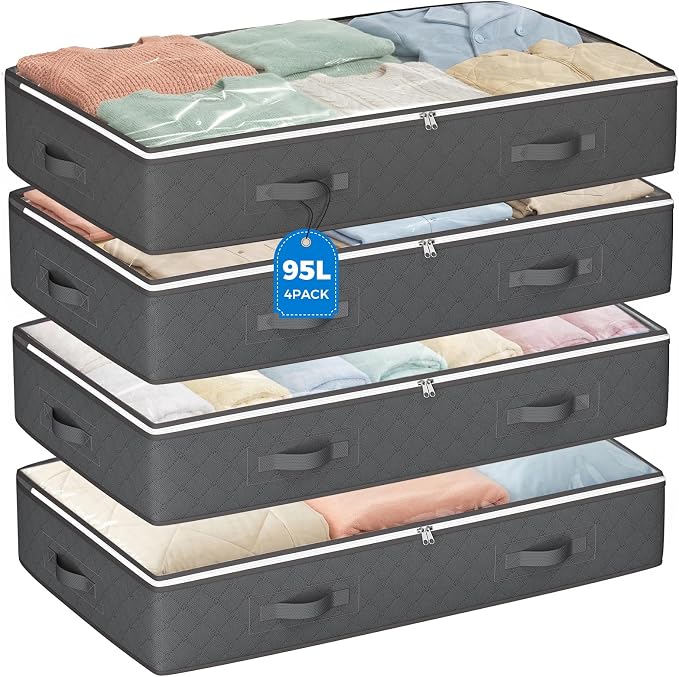
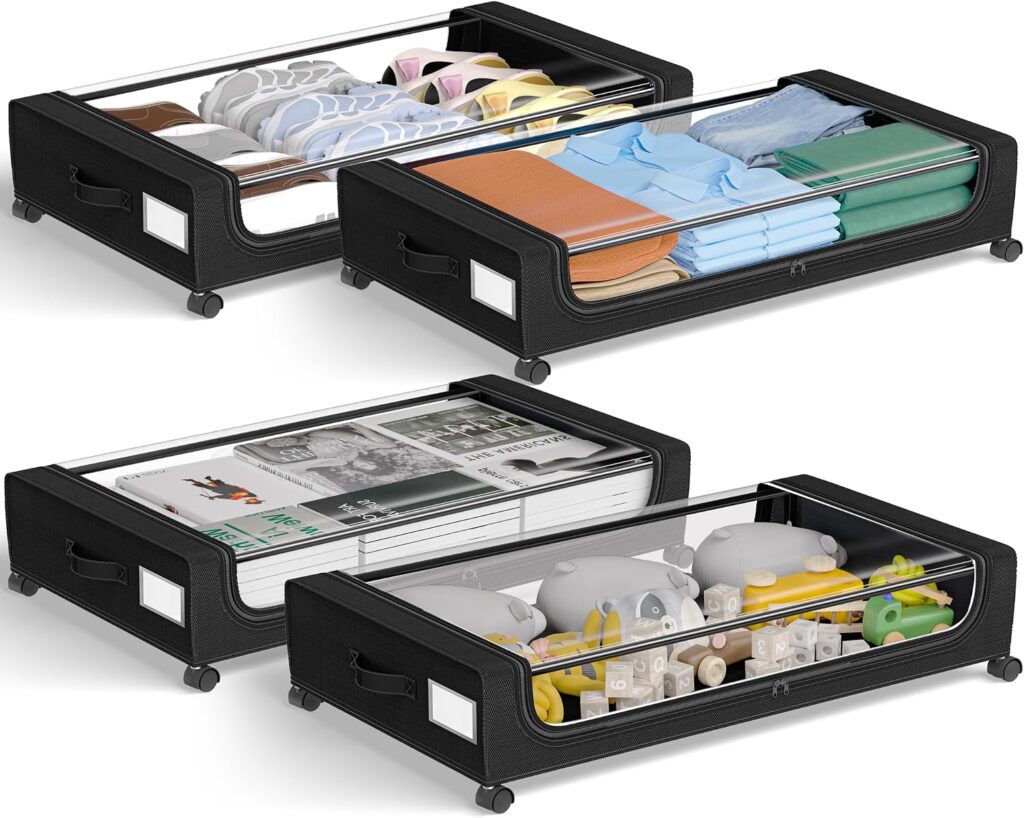
This is particularly useful for things that you don’t need every single day. You could store extra bedsheets, blankets, seasonal clothes, handbags, shoes, luggage or even decorations that only come out once a year.
I personally prefer using storage boxes with lids rather than leaving things loose underneath the bed. Dust has a way of finding absolutely everything, and the last thing I want is to pull out a blanket and discover that it needs washing before I can use it.
If you’re using several boxes, I would also recommend labeling them. It might seem unnecessary at first, but you’ll appreciate it the next time you’re looking for one particular blanket and don’t have to drag every box out.
Credit: The Budding Joy
Credit: GoMaihe
Read about: Smart Ways to Store Your Comforters
2. Make Use of the Top of Your Wardrobe
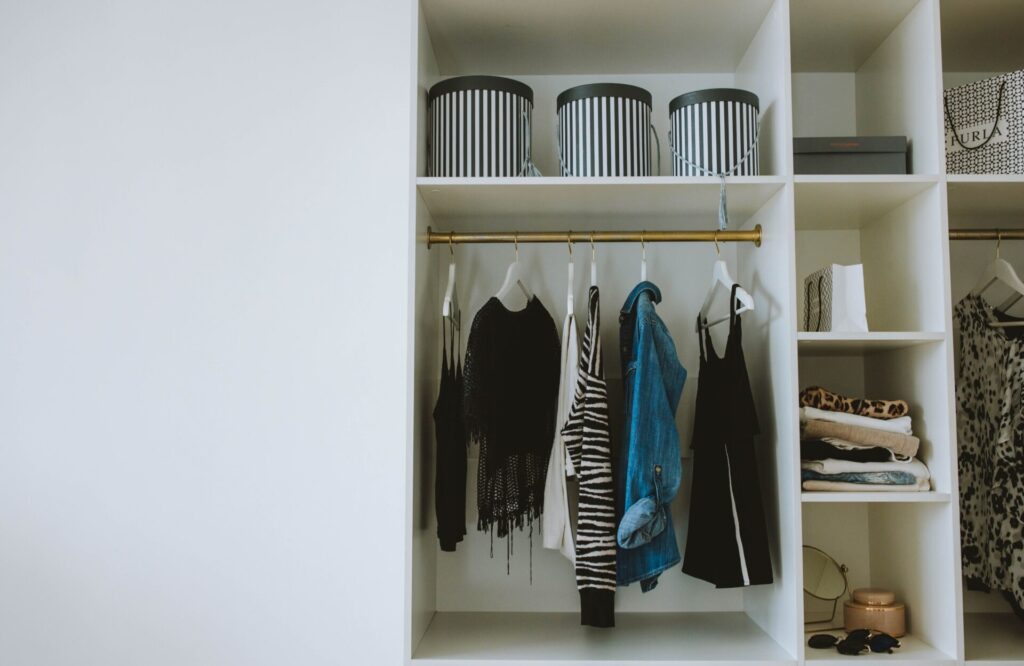
Now look up at your wardrobe.
If there is a large gap between the top of your wardrobe and the ceiling, you’ve probably got a surprising amount of unused space sitting there.
This is one of those areas I wouldn’t use for things I reach for regularly because getting something down from that height isn’t exactly convenient. Instead, it’s perfect for items that only come out occasionally.
You could keep seasonal clothes, extra blankets, travel bags, occasion wear, gift-wrapping supplies or sentimental items there.
I like using matching baskets or storage boxes in spaces like this because otherwise the top of the wardrobe can quickly become a collection of random bags and boxes. Even though nobody is looking at it all the time, having it contained makes the whole bedroom feel more organized.
Just make sure anything stored up there is secure and that you can safely reach it when you need it.
3. Don’t Forget the Back of Your Doors
The back of a door is basically an empty wall that moves.
And yet, it’s one of the spaces we tend to overlook when we’re thinking about home storage.
Depending on the room, you can use an over-the-door organizer, hooks, slim baskets or a hanging rack to create extra storage without taking up any floor space.
In a bedroom, I would use the back of the door for scarves, handbags, belts, hats or robes. In a bathroom, it can become a useful place for towels. Even a pantry door can be turned into a little storage station for snacks, spices or food packets.
I would just be careful not to add something too bulky. I’ve seen people put such a large organizer on a door that it becomes difficult to close properly.
Measure the door first and choose something that fits the space without making it feel crowded.
Read about: Expert-Approved Home Organizing Trends
4. Turn the Gap Beside Your Refrigerator Into Storage
That narrow space beside the refrigerator is another one of those places that can be surprisingly useful.
If you have enough room, a slim rolling cart can slide neatly into the gap and give you an entire extra storage section in the kitchen.
I particularly like this idea for kitchens because you can use the cart for things that tend to clutter countertops and cabinets. Sauces, spices, canned food, baking supplies, snacks and even kitchen cleaning products can all have their own place.
The important thing here is to measure the gap before buying anything. A storage cart that is even slightly too wide is going to leave you with a very expensive object that doesn’t fit.
And yes, I’ve learned the hard way that measuring first is always better than hoping something will fit.
Read also: Practical Ways to Make the Most of a Rolling Cart for Storage
5. Use the Gap Between Furniture and Walls
Have you ever noticed a narrow gap between a piece of furniture and the wall and simply ignored it?
I used to think spaces like that were too small to be useful. But depending on the width, they can actually accommodate a narrow shelving unit, rolling cart or slim cabinet.
This is particularly helpful in small apartments where floor space is limited.
A narrow vertical shelf can hold books, baskets, cleaning supplies, toys or even pantry items without taking up much room.
The key is to think vertically. When you don’t have much floor space, the walls and narrow gaps around furniture become much more valuable.
6. Use the Space Under Your Sofa
If your sofa has enough clearance underneath, take advantage of it.
I wouldn’t necessarily recommend stuffing things under the sofa without some kind of container because that can quickly become a dusty hiding place for toys, socks and random objects.
Instead, use flat storage boxes or baskets that are designed to slide underneath furniture.
You could store extra cushions, blankets, board games, children’s toys or seasonal decorations there.
I especially like this idea for smaller living rooms because you’re using space that already exists without adding another piece of furniture.
Just remember that hidden storage should still be organized storage. If you’re throwing things underneath the sofa because you don’t know where else to put them, you’ve created a clutter hiding spot rather than a storage solution.
Read about: The Ultimate 9 Vacuum Storage Bags
7. Use the Space Above Kitchen Cabinets
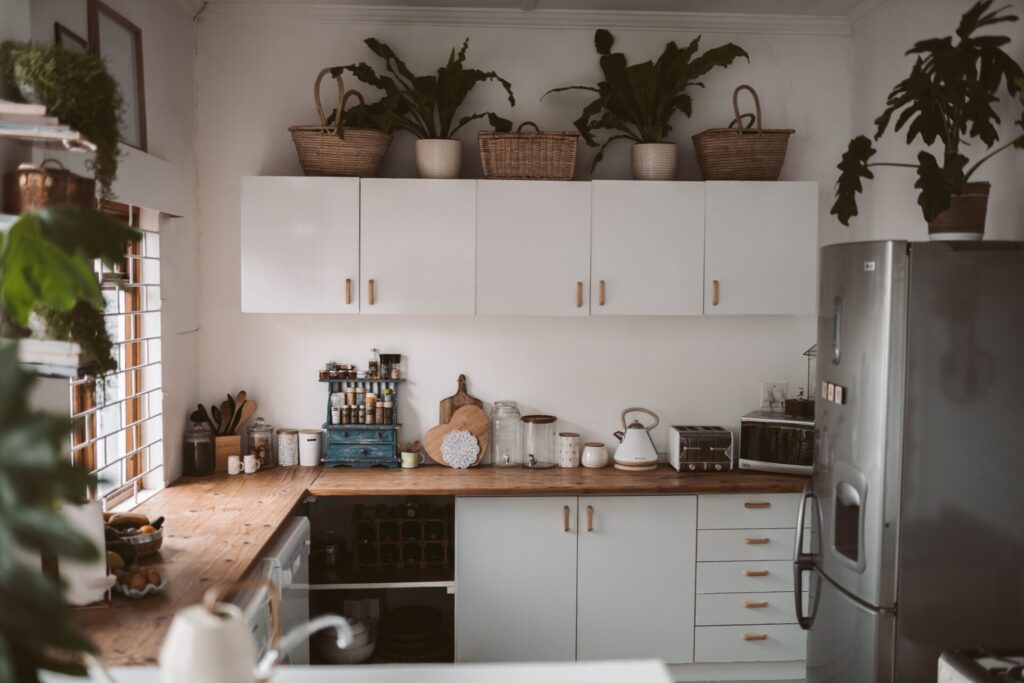
If your kitchen cabinets don’t reach all the way to the ceiling, you probably have a strip of unused space above them.
This can be useful for things that you don’t use every day, such as large serving dishes, cake stands, trays, seasonal kitchenware or decorative pieces.
I wouldn’t recommend putting everyday items up there because constantly reaching overhead isn’t practical.
Instead, think of this as your “occasionally used” storage area.
If you want the kitchen to look neat, use a few large matching baskets rather than filling the entire space with random containers. I find that a small amount of visual consistency makes open storage look intentional rather than cluttered.
8. Turn the Space Under the Kitchen Sink Into a Proper Storage Zone
The cabinet underneath the kitchen sink has a reputation for becoming a complete disaster.
Cleaning sprays, sponges, dishwasher products, garbage bags and cloths somehow all end up together, and then every time you need one thing, you have to move five other things first.
I’ve found that the best solution is to divide this space into simple categories.
You could have one small basket for sponges and cloths, another for dishwasher supplies and another for garbage bags. Cleaning sprays can stand together in a separate section.
Pull-out organizers can also be helpful because they allow you to bring the contents toward you instead of reaching all the way into the back of the cabinet.
The goal isn’t to make the cabinet look like a showroom. It should simply be easy to find what you need.
Read also: Under-the-Sink Storage Ideas
9. Use the Side of a Cabinet
The side of a kitchen cabinet can become useful storage, especially if the cabinet is positioned where you can easily access it.
A few hooks, magnetic organizers or slim shelves can give you somewhere to keep measuring spoons, kitchen towels, small utensils or other frequently used items.
I wouldn’t use this idea for absolutely everything because exposed storage can make a kitchen look busy. But for a few items that you use regularly, it can be incredibly convenient.
Sometimes the best organization isn’t the storage that looks the prettiest. It’s the storage that saves you five minutes every day.
10. Make Use of the Wall Above Your Washing Machine
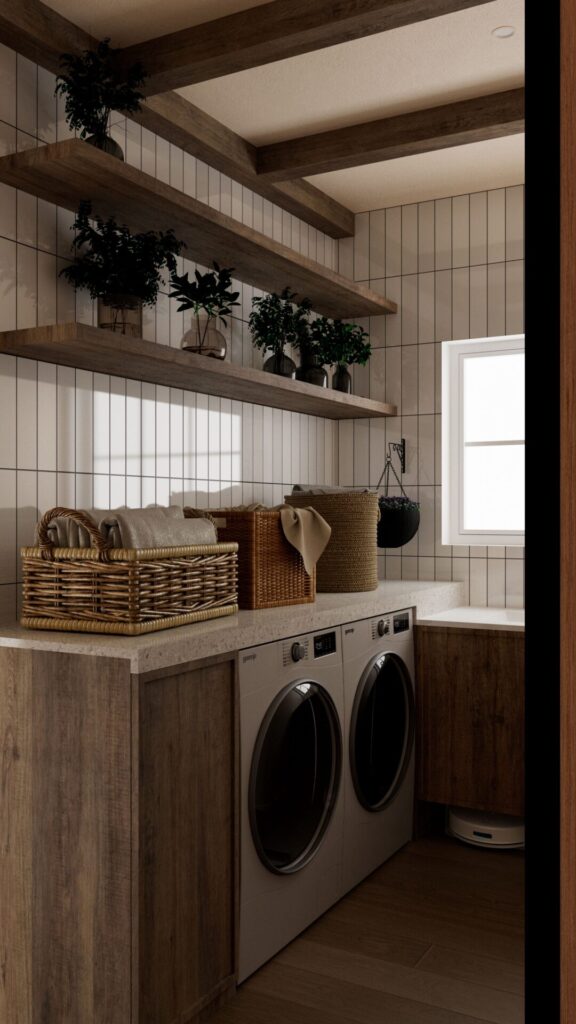
Laundry areas are often short on storage, so the wall above the washing machine shouldn’t be ignored.
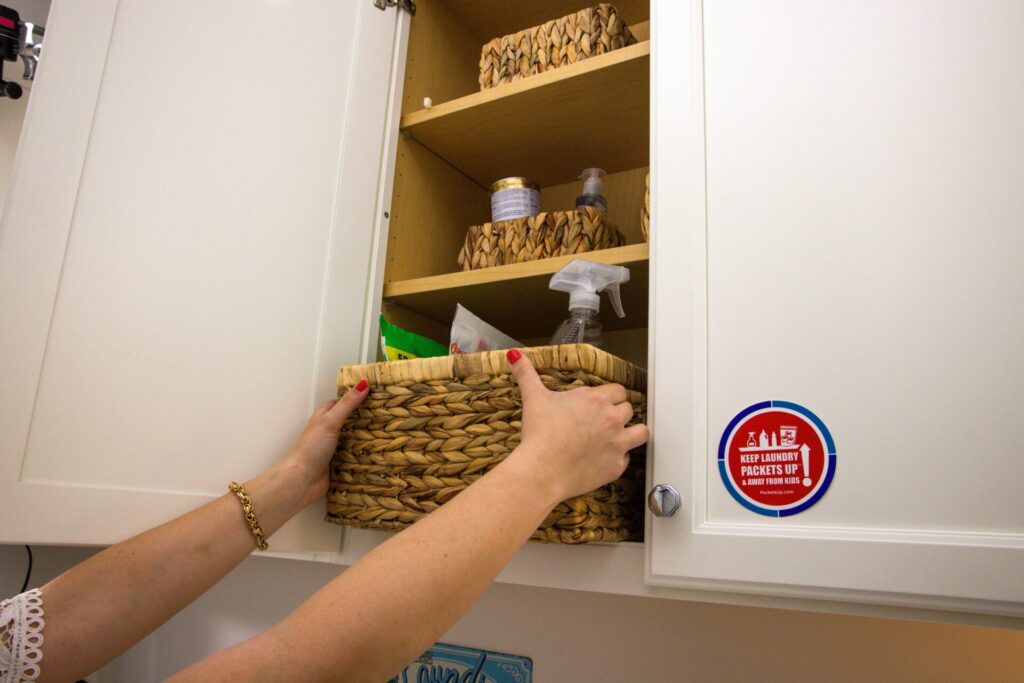
If you have enough vertical space, shelves or cabinets can hold laundry detergent, stain removers, fabric softener, cleaning cloths and spare towels.
For anyone living in a small apartment, this is particularly useful because you’re creating storage without using additional floor space.
I would keep everyday laundry products within easy reach and put backup supplies higher up.
If you’re installing shelves, make sure they’re properly secured, especially if you have children around.
Read about: Laundry Room Organizers Will Make You Love Doing Laundry
11. Turn Your Pantry Door Into Storage
If your pantry has a door, you have another storage surface waiting to be used.
A slim door organizer can be particularly useful for small food items that otherwise end up getting lost at the back of shelves.
You could use it for snacks, spices, sauces, baking supplies, food wraps or small packets.
I like this idea because it also makes frequently used items easier to see. When everything is hidden behind one another, it’s very easy to forget what you already have and accidentally buy another packet.
Good organization isn’t only about making things look tidy. It can also help you actually use what you own.
Read also: Pantry Organization Ideas From Amazon
12. Give Those Awkward Corners a Purpose
Most homes have at least one awkward corner.
Maybe it’s too small for a normal cabinet but too large to leave completely empty.
Instead of forcing a piece of furniture into the space, think about what the corner could actually be used for.
You could turn it into a little reading area, a plant corner, a children’s activity station or a place for a narrow shelving unit.
In my opinion, this is where you shouldn’t be afraid to think beyond storage boxes. Sometimes the best way to use an awkward space is to give it a function rather than simply filling it with things.
13. Don’t Waste the Space Under the Stairs
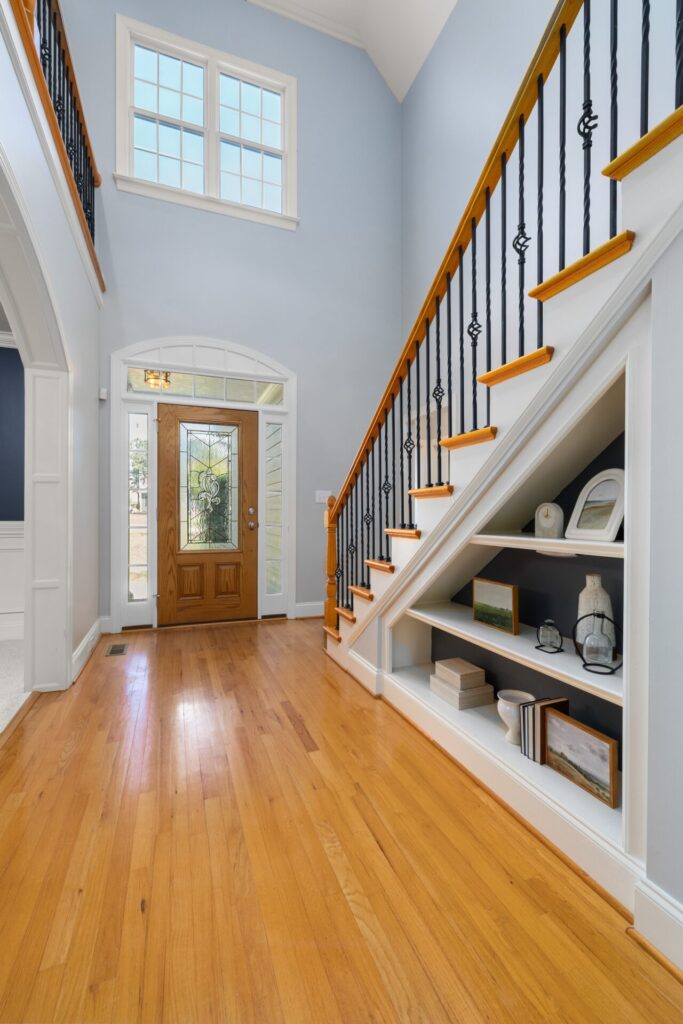
If your home has stairs, the area underneath them can be one of the biggest unused storage opportunities.
Depending on the layout, you could create built-in cupboards, drawers, shoe storage or even a small pantry.
I’ve also seen this space turned into a tiny home office, which is a clever solution if you don’t have a separate room for one.
Under-stair storage can require more planning than the other ideas on this list, especially if you’re considering permanent cabinetry, but it can make a huge difference in a home where storage is limited.
I have written a detailed article on how you can utilise your under-stair space. Click here to check out the article
14. Use the Space Above Bathroom Cabinets
Bathrooms usually have plenty of small items but surprisingly little storage.
If you have an empty area above your bathroom cabinet, use it for backup toiletries, extra towels or cleaning supplies.
I would keep things you use every day at eye level and reserve higher storage for items you don’t need frequently.
A couple of attractive baskets can also make open bathroom storage look much more intentional.
15. Make the Back of Your Bedroom Door Part of Your Closet
If your wardrobe is overflowing, don’t immediately assume you need another one.
Take a look at the back of your bedroom door.
A few hooks or a slim organizer can give you additional space for handbags, scarves, belts, hats and robes.
I especially like using doors for accessories because these are the things that tend to get thrown onto chairs or beds when they don’t have a designated home.
Giving them a specific place makes tidying up much easier.
16. Use That Narrow Space Beside the Toilet
That awkward little gap beside the toilet can sometimes accommodate a very slim storage unit.
It can be useful for toilet rolls, towels, toiletries or bathroom cleaning supplies.
But I wouldn’t force storage into a space that’s too narrow. If it makes cleaning difficult or leaves the bathroom feeling cramped, it’s probably not worth it.
I’ve learned that not every available inch needs to become storage. Sometimes leaving a little breathing room is the better choice.
17. Organize the Space Under Your Bathroom Sink
The bathroom sink cabinet is another place where clutter can easily build up.
I like separating products into categories rather than simply lining everything up.
You could have one basket for hair products, one for skincare backups, another for toiletries and a separate section for cleaning supplies.
And before you organize it, take everything out.
This is important because there’s no point creating a beautiful organization system for products you don’t even use anymore.
I always think decluttering comes before organizing.
Otherwise, you’re just finding new places to store old clutter.
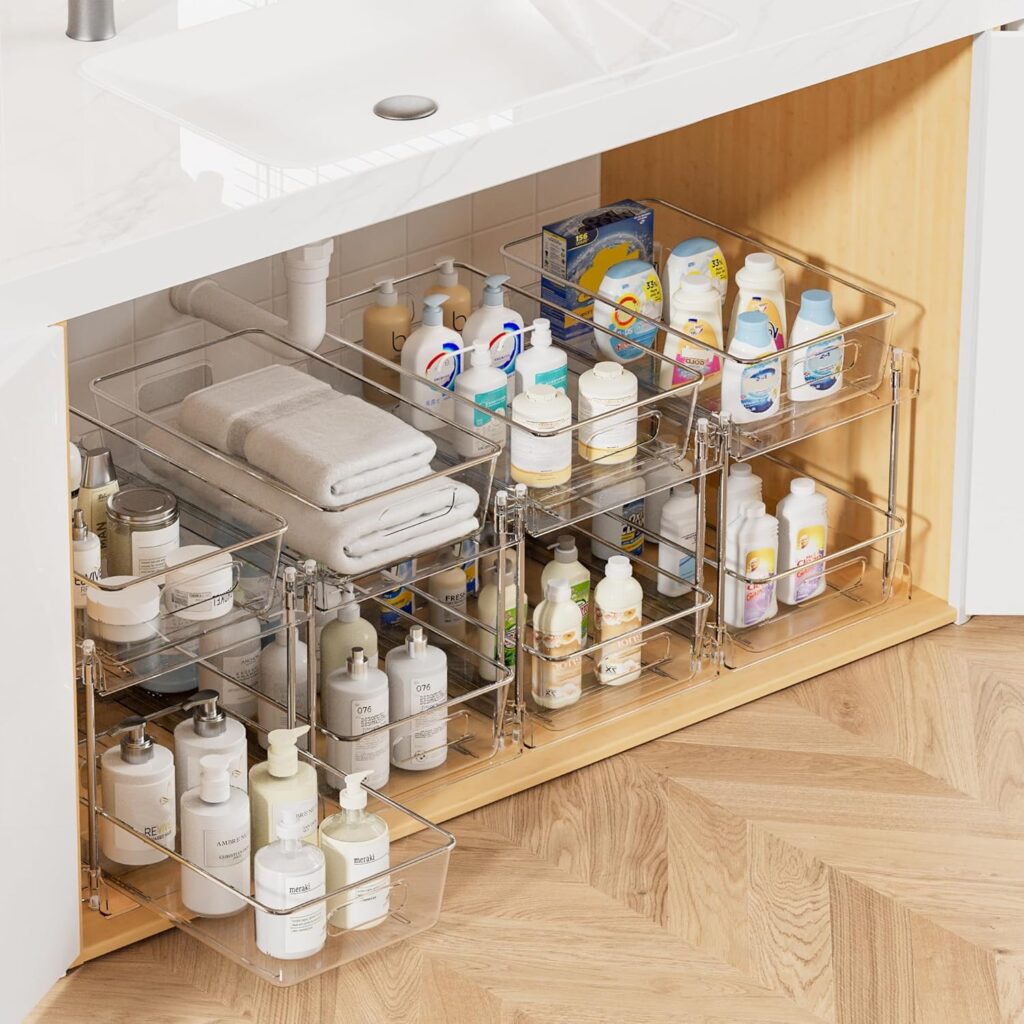
Pull-Out Bathroom Under-Sink Organizer
Credit: Vtopmart
18. Use the Wall Above Your Headboard
The wall above your bed doesn’t have to be purely decorative.
If you need additional storage, shallow floating shelves or built-in cabinets can make use of that vertical space.
This can be particularly helpful for books and small items if you don’t have room for bedside tables.
I would keep anything above the bed lightweight and securely installed. Safety should always come before storage.
19. Make the Space Beside Your Bed Work Harder
If your bedroom is small, you may not have enough room for a traditional bedside table.
That’s okay.
A narrow wall-mounted shelf or slim rolling cart can provide enough space for the things you actually need beside the bed.
You could keep your phone, glasses, book, charging cable and a bottle of water there without taking up much floor space.
Sometimes a smaller storage solution actually works better because it forces you to keep only the things you genuinely use.
20. Turn the Space Under a Window Into Storage
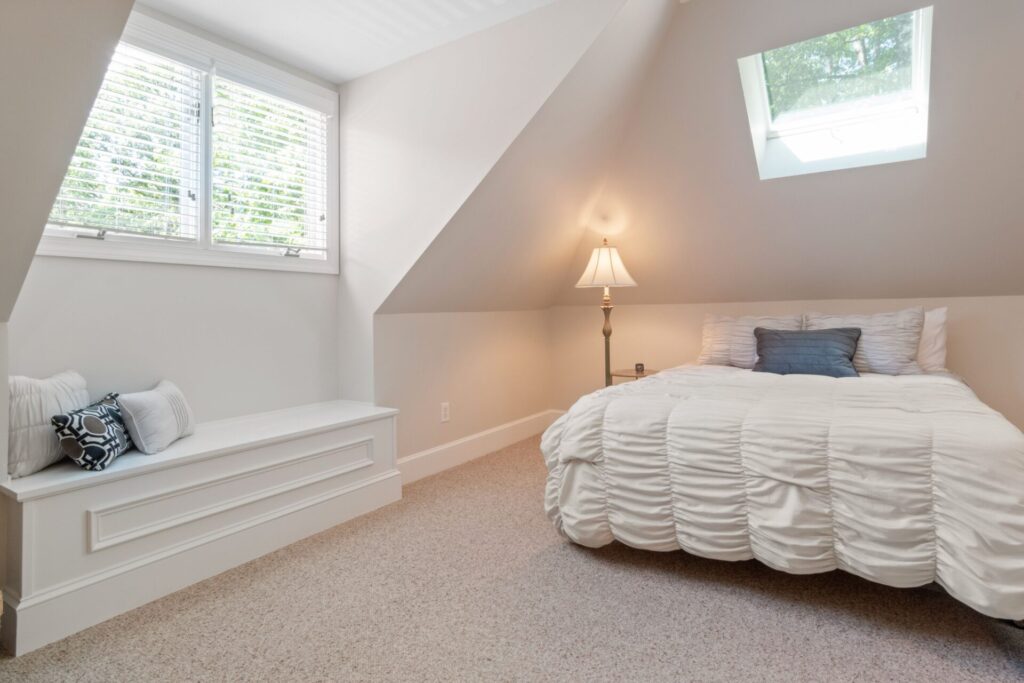
The area underneath a window is another space that can easily be overlooked.
If the window height allows it, a low cabinet or storage bench can make excellent use of this area.
I particularly like storage benches because they give you somewhere to sit while also hiding things inside.
This can work beautifully in a child’s room for toy storage, in a bedroom for blankets or in an entryway for shoes and bags.
21. Don’t Ignore the Space Behind Your Sofa
If your sofa isn’t pushed directly against the wall, you might be able to use the space behind it.
A narrow console table can provide a useful surface without making the room feel too crowded.
You can use it for a lamp, books, baskets, decorative items or even a little charging station for phones and devices.
The only thing I’d watch carefully is the walking space around it. Storage is helpful, but not if everyone has to squeeze sideways just to walk through the room.
22. Look Above Your Interior Doors
This is one of my favorite overlooked storage ideas.
The wall above a doorway is often completely empty.
If you have enough ceiling height, a properly installed shelf can give you additional storage for books, baskets or lightweight items.
This is particularly useful in small rooms because you’re using vertical wall space instead of floor space.
Of course, you’ll want to make sure the shelf is secure and that you’re able to reach it safely.
23. Make the Floor of Your Closet Work for You
The bottom of a closet often becomes the place where everything gets dumped.
Shoes end up scattered around, bags get pushed into corners and clothes somehow migrate onto the floor.
Instead, create a specific floor zone.
A shoe rack can keep footwear together, while low baskets can hold accessories or seasonal items. Pull-out drawers can also make deeper closets much easier to use.
I’ve found that when everything has a designated place, putting things away takes much less effort.
You can check here to know more about how to organize your closet and utilize every inch of the space.
24. Find a Better Solution for Awkward Kitchen Corners
Kitchen corners can be difficult because they’re often deep, dark and hard to reach.
Instead of allowing the back of the cabinet to become a graveyard for forgotten kitchenware, consider using a Lazy Susan, pull-out organizer or tiered shelf.
The best storage solution depends on the cabinet, so don’t buy an organizer just because it looks good online.
Measure the cabinet first and think about what you actually store there.
For me, accessibility is always more important than aesthetics. If I can’t easily reach something, I’m probably not going to use that storage system for long.
25. Deal With the “Clutter Dump” Space
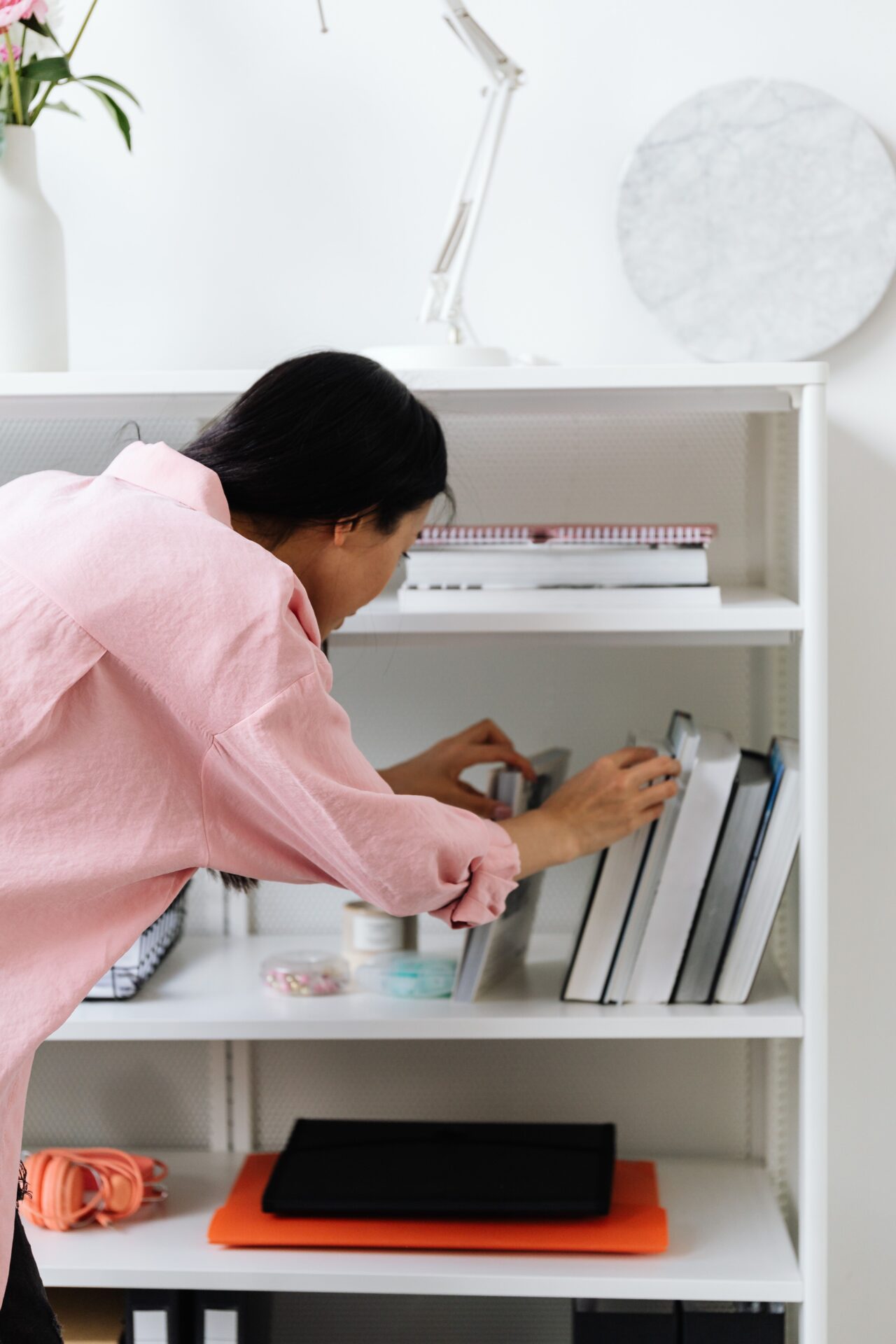
And finally, let’s talk about that one area every home seems to develop.
You know what I’m talking about.
It’s the chair where clothes pile up. The kitchen counter where mail collects. The table where keys, chargers, receipts and random objects somehow end up.
Instead of simply organizing the pile, ask yourself why everything keeps ending up there.
Maybe your family needs an entryway drop zone.
Maybe you need a small basket for things that belong in another room.
Maybe your children need somewhere specific to put their school bags.
Or maybe you’re simply keeping too many things.
This is one of the biggest lessons I’ve learned about home organization: when clutter keeps returning to the same place, the problem is usually the system, not the people.
Create a storage solution that matches what your family naturally does, rather than expecting everyone to suddenly develop completely different habits.
Read about: Simple Organization Tips To Declutter Your “Clothes Chair”
Don’t Buy Storage Before You Declutter
This is probably the most important advice I can give you.
I know how tempting it is to see beautiful storage baskets, acrylic organizers and matching containers online and immediately want to reorganize everything.
I’ve been there.
But don’t start with the containers.
Start by taking everything out.
Then ask yourself what you actually use and what you genuinely need.
Get rid of expired products, broken items, things you no longer use and duplicates that are taking up valuable space.
Only after you’ve done that should you measure the area and decide what storage solution would actually help.
Otherwise, you might end up with ten beautiful containers filled with things you never use.
And that isn’t really organization.
It’s just clutter in matching containers.
You Don’t Have to Fill Every Empty Space
There’s something else I want to mention because I think it’s easy to get carried away with organization content.
Not every empty space in your home needs to become storage.
An empty corner can make a room feel bigger.
A clear countertop makes a kitchen feel calmer.
A little space around furniture makes a room easier to move around in.
So when you’re looking around your home for dead space, don’t feel like you have to fill every inch.
Instead, ask yourself:
Would using this space actually make my life easier?
If the answer is yes, go for it.
If the answer is no, leave it alone.
Sometimes empty space is useful too.
Final Thoughts
I think the best home organization ideas are the ones that make everyday life a little easier.
You don’t necessarily need a huge walk-in closet, a massive pantry or an entire room dedicated to storage.
Sometimes you just need to look at your home differently.
That empty space underneath your bed could hold all your seasonal blankets.
The back of your bedroom door could finally give your handbags a proper home.
That narrow gap beside the refrigerator could become a little pantry.
The wall above your washing machine could hold all your laundry supplies.
And that awkward corner you’ve been ignoring could become one of the most useful areas in the room.
So before you buy another cabinet or storage box, take a slow walk around your home.
Look underneath things.
Look behind doors.
Look above cabinets.
Look at the walls.
Look at those strange little gaps you’ve stopped noticing.
You might be surprised by how much unused storage space you already have.
And that’s what I love about these kinds of organization ideas. You don’t always need to spend a lot of money or completely change your home.
Sometimes, you just need to make the space you already have work a little harder for you.
And once you start noticing dead spaces, you’ll probably never look at your home quite the same way again.
Was this article helpful? We’d love to hear your feedback, ideas, or any blog post requests you have—drop them in the comments below!