

 By
By How To Deep Clean Your Mattress: Quick And Easy Steps

“Proud Homemaker is part of several affiliate marketing programs, so we may earn commissions on products selected and purchased through our retailer links.”
Of course, we all wash our bedsheets at least once a week, but what about mattresses?
Maintaining a clean mattress is essential not only to make it last longer but also for our overall health and well-being. Our mattress is more than just a place to rest our heads; it’s a sanctuary for relaxation and rejuvenation. However, over time mattresses will accumulate dust mites, sweat, dead skin cells, and other allergens which will affect the quality of our sleep and might even lead to health issues. Yes, regularly changing bed linens helps, but it’s equally important to deep clean our mattress once in a while to ensure a hygienic sleeping environment.
So, through this blog let us explore the effective method to deep clean our mattress. Whether you’re dealing with stains and odors, or just want to freshen up your mattress, this blog will surely enlighten you to restore your mattress to its pristine condition and help you get better sleep and a healthier lifestyle.
So, without any further ado let’s begin.
Click here to read: The ultimate spring cleaning checklist
Step 1: Wash The Bedding and Pillows
The initial step will be to take off all your bedding and wash it in hot water, then dry it on a high heat setting. This is super important because it gets rid of any germs and bacteria and makes your bed much cleaner and healthier when you put the fresh bedding back on. Also, don’t forget to check the care label on your pillows to see if you can wash them in the machine or remove the covers for cleaning. Washing your pillows will make your whole sleeping setup feel fresher and cozier, adding to the cleanliness and comfort of your bed.
Read also: Deep Cleaning Electric Kettle
Step 2: Ventilate Your Mattress
After removing all the bedding from your mattress, ventilate your bedroom by opening the window. This simple step will allow fresh air to circulate, helping your mattress breathe and begin the process of removing moisture and odors, thus refreshing it.

Step: 3 Vaccum The Mattress
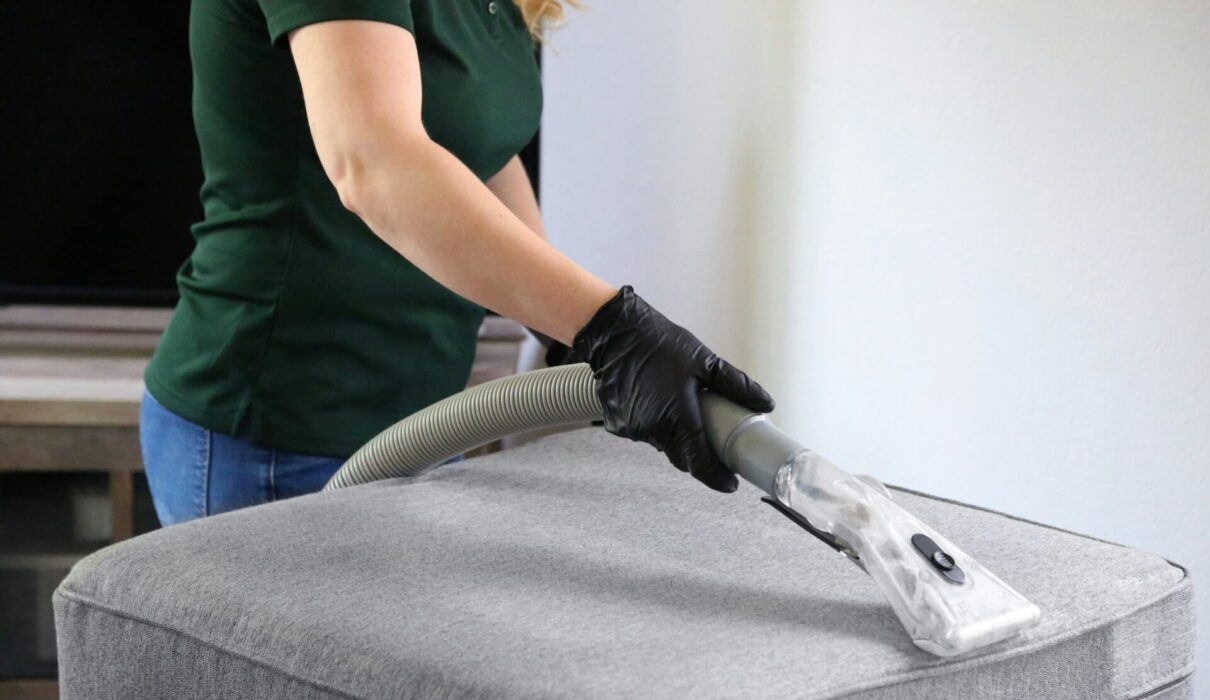
The next crucial step is to vacuum the mattress. To keep your mattress clean and fresh, try to vacuum it once a month. If anyone in your family has allergies it is best to vacuum more often, maybe even every time you change the sheets. To make sure your mattress gets really clean, move the vacuum in small circles all over it. You don’t have to use a special attachment but if you have one, it can help. It’s important to be careful and not miss any spots or edges. If your mattress doesn’t have any stains, sprinkle a bit of baking soda on it to get rid of any smells and make it smell nice and fresh.
Read also: Step-by-Step Checklist to Prep Your Home for Winter
Step: 4 Removing Mattress Stains
It is always best to deal with any stains on your mattress right away. If you wait too long, there’s a chance mold or mildew could start growing, or the stain could become permanent as the liquid sinks deeper into the mattress.
To effectively remove mattress stains, it’s best to create a solution using mild laundry detergent or dish soap mixed with lukewarm water. When you apply the solution gently dab the stained area with a cloth or sponge rather than rubbing it to avoid spreading the stain further. It is also important to refrain from using harsh chemicals or excessive moisture during the cleaning process, as this can compromise the integrity of the mattress. So once you treat stains or dampen the mattress, allow it to air dry completely before proceeding with additional cleaning steps or replacing the bedding. This ensures thorough drying and prevents potential damage to the mattress.
Well, if you are struggling with particular stains, maybe the following guide would help:
Read also: How Often to Rotate Your Mattress for Maximum Benefit
Removing urine stains from the mattress
If you’re dealing with urine stains on your mattress especially if you have young children, it’s essential to know how to deep clean effectively. To tackle this issue, start by creating a solution of mild laundry detergent or dish soap mixed with lukewarm water. By using wet paper towels press into the stain and replace them every few minutes for hygiene purposes. Continuously dab at the stain until it disappears and remember that urine stains may require more effort and time to lift due to their strength and persistence. With patience and thorough cleaning, you can effectively eliminate urine stains from your mattress and ensure a clean and hygienic sleeping environment for you and your family.
Read also: How to Build a Daily Home Cleaning Routine That Reduces Stress and Boosts Mental Health
Removing blood stains from the mattress
When removing blood stains from a mattress it’s important to use cold water as it breaks down the proteins in the blood more effectively than warm water. Also make sure to avoid using excessive water, particularly on memory foam mattresses as it can damage the foam and fillings inside. Instead, ensure that your cloth, towel, or sponge is only damp, not dripping wet, to prevent over-saturation.
Blood stains can be challenging to remove, but there are two effective methods: the dish soap method and the baking soda method. Each method involves specific steps tailored to the nature of the stain, whether fresh or dried, providing options for thorough cleaning and stain removal.
Dish Soap Method:
If you notice a blood stain on your mattress right away, using a mix of dish soap or mild laundry detergent with cold water can work wonders. Soak a cloth or sponge in this solution and gently dab it onto the stain until it starts to fade. This method works best for fresh blood stains because the cold water helps break down the proteins in the blood and makes it easier to remove. Acting fast and being gentle yet thorough can help you get rid of the stain and make your mattress look like new again.
Read also: Simple Ways to Allergy-Proof Your Home
Baking soda method
If you have baking soda available, it offers a quick and straightforward solution for removing dried blood stains from your mattress. Begin by rinsing a cloth with cold water and using it to dab the stain. Next, sprinkle baking soda over the affected area and let it sit for 30 minutes. Afterward, rinse another cloth with cold water and dab the stain until it lifts. Repeat this process as needed and allow the mattress to dry completely. Once dry, vacuum the surface to remove any remaining baking soda residue, leaving your mattress clean and refreshed.

Step 5: Refresh with baking soda and vacuum once more.
Once your mattress surface is nice and dry, spread some baking soda all over it to get rid of any leftover smells. Leave it on for a few hours if you can, then use a vacuum to suck up all the baking soda. This makes sure your mattress is super clean before you put your sheets back on, making your bed feel fresh and comfy for a good night’s sleep.
You can also mix a bit of baking soda with water and your favorite essential oils in a spray bottle and lightly spritz the mattress to maintain a fresh scent. Chamomile or lavender essential oils are great choices for a calming aroma that can help you relax and drift off to sleep. Alternatively, if you prefer not to make your own mixture or don’t have essential oils on hand, using a ready-made mattress or room spray will achieve similar results.
Read also: When to Replace Your Swedish Dishcloth? Expert Recommendations
| Best Product To Buy in 2024 |
|---|
| Best Mattress Vaccum in 2024: Jimmy BX5 Pro-120V Corded Mattress Vacuum Cleaner Best Air Purifier in 2024: Levoit HEPA Filter Air Purifier for Home Allergens Best Mattress Protector in 2024: SureGuard Queen Size Hypoallergenic Mattress Protector |
Read also: Cleaning Stovetops Like Pro
Summary From Proud Homemaker!
It is very important to deep clean your mattress in order to maintain a healthy and comfortable sleeping environment. Regularly removing dust, dirt, allergens, and stains, will help to prolong the lifespan of your mattress while promoting better sleep quality and overall well-being. You can either go for the DIY methods discussed above or go for a professional cleaning service, either way, the key is consistency and thoroughness.
Don’t forget to deal with stains right away, and it is best to avoid the use of harsh chemicals to protect your mattress. Also, make sure it gets enough air and dries properly after cleaning. By sticking to these simple steps and adding a touch of essential oils for a pleasant aroma, you can keep your mattress clean, cozy, and ready for countless nights of peaceful sleep.
Related post: Clever ways for small bedroom storage and organization
FAQ
1. Why Deep Cleaning Your Mattress Matters
Deep cleaning your mattress isn’t just about keeping it looking fresh—it’s important for your health too. Over time, mattresses collect sweat, oils, dead skin cells, dust mites, and allergens you can’t see. These can lead to odors, poor sleep quality, and even skin or breathing irritation. A proper deep clean removes buildup, refreshes the fabric, and extends the life of your mattress. It’s one of the simplest ways to maintain a healthier, cleaner sleep environment without needing to replace your mattress too soon.
2. How Often Should You Deep Clean a Mattress?
Ideally, you should deep clean your mattress every six months. If you live in a humid climate, sweat at night, or share your bed with kids or pets, cleaning it every three to four months is even better. While regular vacuuming helps, a full deep clean ensures stains, odors, dust mites, and allergens don’t build up over time. Pair this with weekly sheet washing and a good mattress protector to keep your bed fresh and extend the time between heavy cleanings.
3. What You Need Before You Start
Before deep cleaning your mattress, gather all the essentials so the process runs smoothly. You’ll need a vacuum with an upholstery attachment, baking soda, stain removers like hydrogen peroxide or dish soap, white vinegar, clean towels, a spray bottle, and—if available—a steam cleaner. Having everything nearby ensures you can treat stains quickly and deodorize effectively. If you have a memory foam mattress, check the care label to avoid moisture-heavy methods. A little preparation upfront makes the whole cleaning process faster and more efficient.
4. How to Remove Sweat Stains
Sweat stains can leave yellowish patches and an unpleasant smell. To treat them, mix one cup of hydrogen peroxide with three tablespoons of baking soda and a few drops of dish soap. Spray the mixture lightly over the stain and let it sit for 20–30 minutes. Blot with a clean cloth until dry. The peroxide helps lift discoloration while the baking soda neutralizes odors. If your mattress is memory foam, avoid oversaturating—light sprays work best to prevent moisture from soaking deep inside.
5. How to Remove Urine Stains (Kids or Pets)
Urine stains need quick attention. Start by blotting as much liquid as possible using paper towels. Then mix white vinegar and water (1:1 ratio) and spray it over the area. Blot again. Next, sprinkle baking soda generously and let it sit for several hours—or overnight—to absorb odors and moisture. Vacuum it off the next day. For older stains, use a hydrogen peroxide, dish soap, and baking soda mix to lift discoloration. This two-step process tackles both the stain and lingering scent effectively.
6. How to Remove Blood Stains
Blood stains respond best to cold—not warm—water. Mix a small amount of dish soap with cold water, then dab the solution gently onto the stain. Blot until the stain starts lifting. If it’s stubborn, try using hydrogen peroxide sparingly; apply it with a cotton swab and blot immediately as it foams. Repeat until the surface is clear. Avoid soaking the mattress, especially memory foam. The key with blood stains is patience—gentle lifting works far better than aggressive scrubbing.
7. How to Kill Dust Mites in a Mattress
Dust mites thrive in warm, humid environments, so controlling moisture and heat helps keep them away. Washing bedding in hot water regularly is essential, but deep-cleaning the mattress helps too. Vacuum thoroughly, steam-clean on low heat, and allow the mattress to air out in sunlight if possible. Sun exposure naturally kills dust mites. Using a mattress protector and keeping humidity low in your bedroom also prevents them from returning. Consistent cleaning is your best defense against dust mite buildup.
8. What Not to Use When Cleaning a Mattress
Avoid using harsh chemicals, bleach, or heavy soaking when cleaning your mattress. These can damage the fabric and leave behind strong odors or moisture that leads to mold. Skip over-saturating with water, especially on memory foam, which absorbs liquid easily. Also avoid strong enzymatic cleaners unless they’re specifically designed for mattresses. Steam cleaners with extremely high heat can also be risky for foam models. Gentle cleaning products and light application always work better and protect your mattress long-term.
9. How to Deep Clean a Memory Foam Mattress
Memory foam absorbs moisture quickly, so deep cleaning requires a gentler approach. Vacuum the entire surface, then treat stains lightly using minimal liquid solutions. Avoid soaking the foam—use a spray bottle and blot instead of scrub. Baking soda works wonderfully to remove odors without adding moisture. Never steam clean memory foam, as too much heat or dampness can damage its structure. After cleaning, let the mattress air out completely, ensuring it’s fully dry before placing bedding on top.
10. Deep Cleaning for Latex or Hybrid Mattresses
Latex and hybrid mattresses can handle slightly more moisture than memory foam, but you still want to avoid heavy soaking. Vacuum thoroughly, spot-clean stains using mild cleaners, and use baking soda for deodorizing. Check the care label because some latex models are sensitive to strong chemicals. A light pass with a steam cleaner works well for hybrid mattresses, especially on the fabric cover. Always ensure the mattress dries fully to prevent mold, since hybrids have multiple layers inside.
11. When to Call a Professional Cleaner
If your mattress has stubborn stains, strong odors, water damage, or hasn’t been cleaned in years, calling a professional is worth it. Professionals use tools and cleaning solutions that penetrate deeper without soaking the mattress, ensuring it’s sanitized safely. They’re also great for large or heavy mattresses you can’t move easily. If you suffer from allergies, a professional deep clean once a year can make a big difference. It’s a practical option when home cleaning just isn’t enough.
12. Tips to Keep Your Mattress Cleaner for Longer
A few simple habits can keep your mattress fresher for months. Always use a high-quality, washable mattress protector—it’s the easiest barrier against spills, sweat, and dust mites. Wash bedding weekly and vacuum the mattress surface monthly. Avoid eating in bed to reduce crumbs and stains. Open windows when possible to reduce moisture buildup. Rotating the mattress regularly also helps maintain its shape and cleanliness. With these small steps, you won’t need to deep clean as often.
13. How to Protect Your Mattress After Cleaning
Once your mattress is freshly cleaned, protect it with a waterproof, breathable mattress protector. This shields it from spills, sweat, and dust mites while still keeping it comfortable. Make sure the mattress is fully dry before covering it. Rotate your mattress regularly and keep your bedding clean to maintain freshness. If possible, let the mattress air out occasionally by leaving the bedding off for a few hours. These simple habits help your mattress stay cleaner and last longer.
Was this article helpful? We’d love to hear your feedback, ideas, or any blog post requests you have—drop them in the comments below!



7 Comments